MORE THE DETAILS
A practical way to sell
Selling a surplus 100 to 200 ton chiller in Pennsylvania starts with a clear description, rather than an assumption about age or operating status. A 100 to 200 ton estimate is useful for an initial conversation, but a plate photo is better than relying on an old asset list alone. Share any discrepancies between documents and the equipment as found. We buy industrial chillers and work with owners and authorized representatives who need a practical way to discuss an offer and professional removal.
Details that shape this purchase
The removal plan also depends on where the machine sits and what surrounds it. Identify common corridors, doors or loading areas that must remain available, and allow professionals to assess the required work.
For your surplus 100 to 200 ton chiller in Pennsylvania, explain the current status and the parts you intend to include. If a figure, condition or prior service detail is uncertain, label it as unknown rather than making an assumption. The owner or an authorized representative can give the buyer a useful starting point without touching electrical or refrigeration components, performing a test, or moving the machine. Existing photographs and records are helpful, and incomplete paperwork is not a barrier to asking about an offer.
Describe the site and access
Site information for your surplus 100 to 200 ton chiller in Pennsylvania can be as important as the nameplate. If the machine is in a basement or interior plant room, a photo of the accessible doorway and known clearance information can help start the discussion. Do not move equipment or enter a restricted space to take measurements.
Share any known dimensions, equipment weight, loading rules and the name of a person who can arrange authorized access. Do not assume an idle unit is ready to move or that a doorway, floor or lift is suitable. The buyer can coordinate a site-specific assessment by qualified professionals and discuss a plan that respects equipment and operations remaining at the property.
Removal is part of the conversation
For your surplus 100 to 200 ton chiller in Pennsylvania, tell the buyer about the machine's location, known dimensions and any access or building restrictions. We handle the agreed crane, rigging, refrigerant recovery, disconnects, loading, freight and hauling, with freight covered. Qualified professionals determine the necessary work for the actual equipment. If information is incomplete, explain what is known and identify a site contact; you do not need to hire a truck, test the chiller or move it yourself to start.
What our buying service includes
Our buying commitment for your surplus 100 to 200 ton chiller in Pennsylvania is straightforward: cash offers, payment upfront, no testing and covered freight. We buy all tonnages, including 20 to 2,000+ tons, and accept all refrigerants. Our scope includes water-cooled and air-cooled industrial HVAC chillers and centrifugal, screw and scroll equipment. Tell us what is included and what is unknown. We can then discuss the offer and professional handling needed for the particular site rather than promising a price without information. We also consider decommissioned chillers from data centers, shut-down power plants, hospitals, campus closures and plant shutdowns.
Separate known facts from assumptions
A useful description of your surplus 100 to 200 ton chiller in Pennsylvania can be short and honest: identify the unit, give its location, and explain what you know about its current state. Mark estimated capacity and missing documents as such. Include any relevant plans or earlier professional records if available, while recognizing that site conditions may have changed. The buyer can discuss the next steps without testing the machine, and qualified professionals handle the technical and safety assessment.
Start with the equipment plate
For your surplus 100 to 200 ton chiller in Pennsylvania, the equipment nameplate is often the most useful single piece of information. Send a clear image of the entire plate and, if needed, a closer view of the legible model and serial fields. Capacity, voltage and refrigerant may also be listed. Record exactly what is visible, and say when a label is missing or unreadable. Existing service records and equipment schedules can add context, but do not guess at specifications or remove covers to look for a plate.
Show the machine and its surroundings
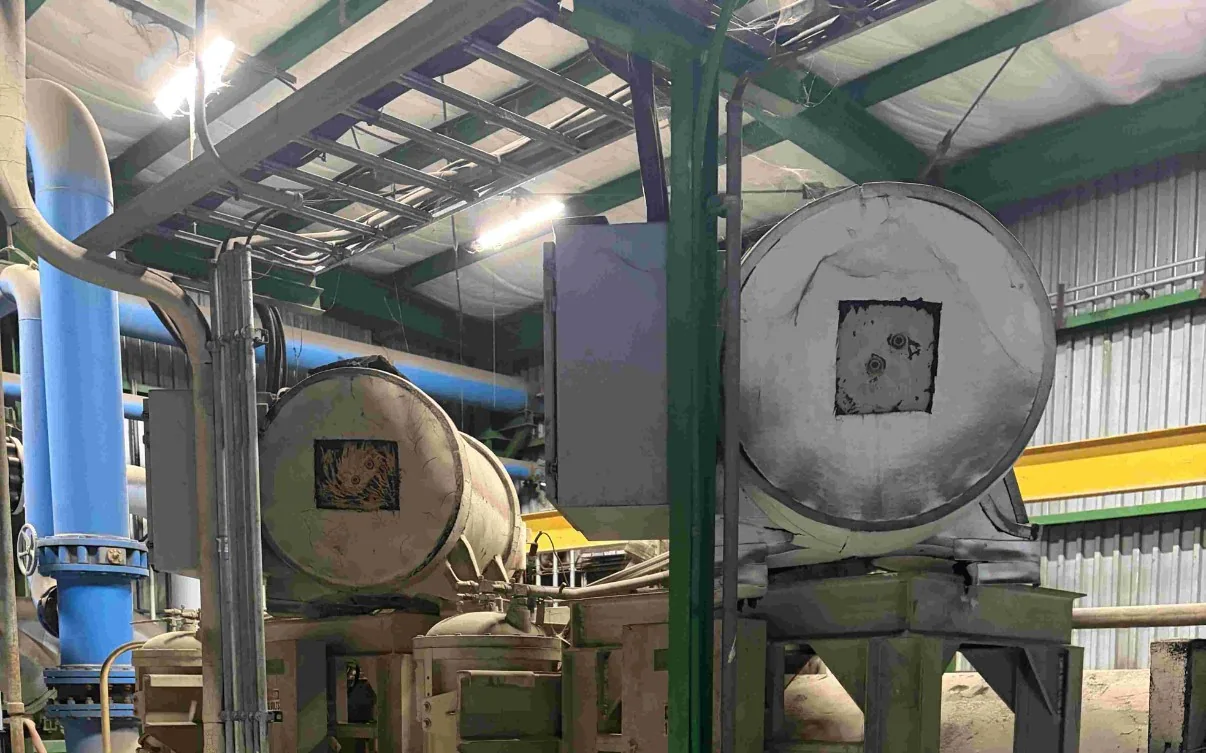
A good photo set for your surplus 100 to 200 ton chiller in Pennsylvania shows the complete assembly as well as the identification plate. Wider views can reveal access constraints, nearby equipment and where the unit sits in relation to an exit or loading area. If a component is not part of the sale, make that clear. Take pictures only from safe, authorized locations; the purpose is to inform the buyer, not to expose internal parts or carry out an inspection.
Describe condition honestly, even when records are incomplete
For your surplus 100 to 200 ton chiller in Pennsylvania, distinguish what you have observed from what is unknown. A unit may be intact, partly dismantled by a prior contractor, or simply no longer in use; let us know which description is accurate. We buy without requiring a test, so do not start equipment to prove its condition. A stopped machine is not automatically safe to touch, disconnect or move. Existing service or decommissioning records are helpful if available.
Refrigerant and disconnects belong to professionals
We consider chillers using all refrigerants, including when the refrigerant is not yet known. For your surplus 100 to 200 ton chiller in Pennsylvania, send the nameplate and any existing service or recovery records instead of making an assumption. We handle the necessary refrigerant recovery and disconnects through appropriately qualified professionals as part of the agreed work. The seller should not open the system, release refrigerant, cut lines or handle electrical connections. An idle machine may still contain refrigerant and hazardous energy.
From first contact to a removal plan
For your surplus 100 to 200 ton chiller in Pennsylvania, provide the location, equipment type and available plate information, including tonnage, refrigerant and voltage. Attach photographs that show the unit and surrounding access. Tell us who owns the equipment and who can coordinate entry. Call, text photos, email or use the quote form to begin. The ensuing conversation can address a cash offer, upfront payment, covered freight and professional work; no test run or owner-performed disconnect is required.